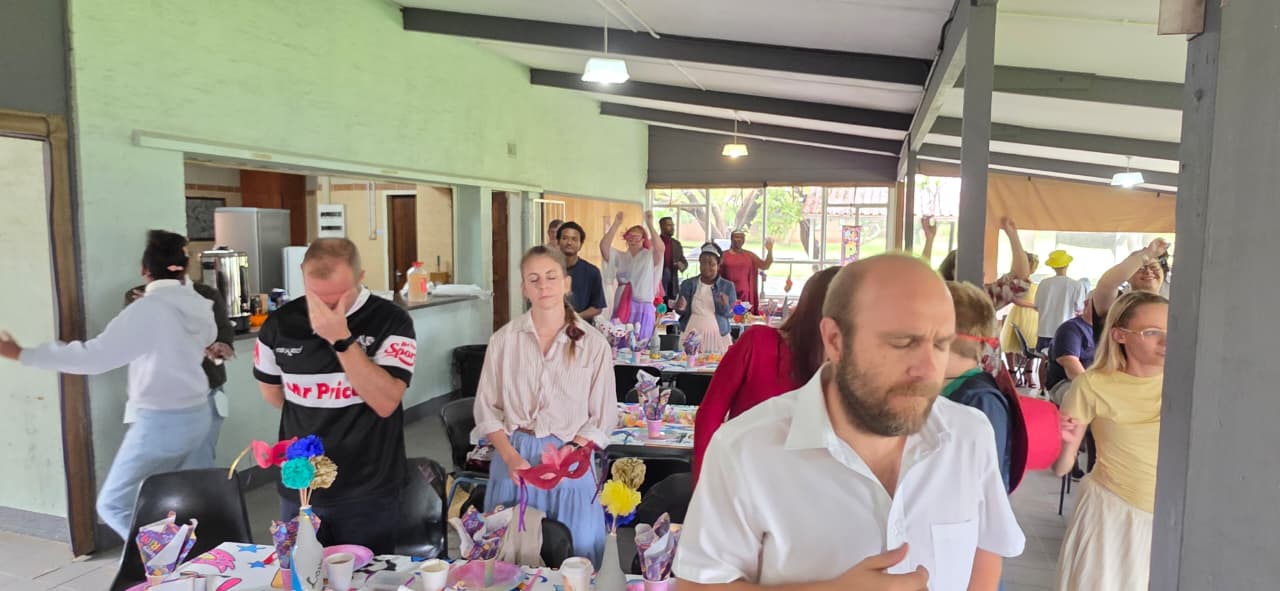
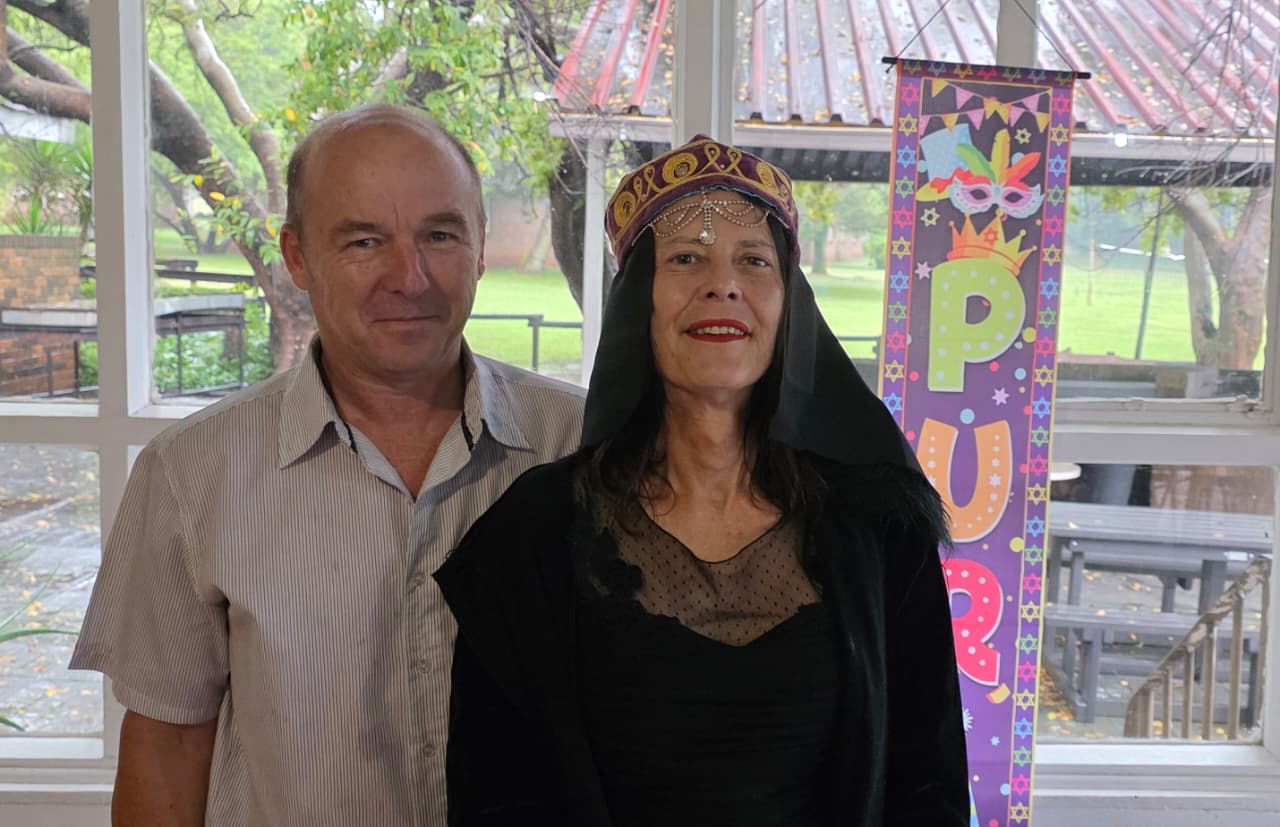
PURIM '26
Purim: The Feast Hidden in Plain Sight
It is right there in your Bible. An entire book dedicated to it. One of the most dramatic acts of divine deliverance in all of Scripture — genocide plotted, a queen who risked everything, and a reversal so complete it could only have been the hand of God.
Yet most Christians have never celebrated it, never studied it, and never been taught it.
That feast is Purim.
The Story
It is approximately 480 BCE. The Jewish people are scattered across the vast Persian Empire, displaced and vulnerable. In the capital city of Shushan, a young Jewish woman named Esther has been raised by her cousin Mordecai. When the Persian king searches for a new queen, Esther is chosen — and on Mordecai’s instruction, she keeps her Jewish identity hidden.
Into this story steps one of Scripture’s most chilling villains: Haman, a high official who despises Mordecai because Mordecai refuses to bow before him. Personal revenge is too small for Haman. When he discovers Mordecai is Jewish, he convinces the king to issue a decree throughout the entire empire: on the thirteenth day of the month of Adar, every Jewish man, woman, and child is to be killed.
The date was chosen using pur — a lot, like casting dice. It is from this word that the feast takes its name: Purim.
The Reversal
When Mordecai urges Esther to go before the king and plead for her people, she hesitates — approaching the king unsummoned means death unless he extends his sceptre. Mordecai’s reply has echoed through centuries:
“Who knows but that you have come to your royal position for such a time as this?” — Esther 4:14
Esther fasts for three days, then goes to the king. She is received. With patience and wisdom she reveals the plot against her people — and points to Haman as the one responsible.
What follows is one of Scripture’s great reversals. Haman is hanged on the very gallows he built for Mordecai. A new decree is issued giving the Jewish people the right to defend themselves. On the day they were meant to be destroyed, they overcome their enemies instead.
The fourteenth and fifteenth of Adar become days of feasting, joy, gift-giving, and generosity to the poor — a celebration kept by the Jewish people every year since.
Why It Still Matters
The name of God does not appear once in the Book of Esther. Yet His fingerprints are on every page — in the timing, in the sleepless king, in the lot that Haman cast and God overruled.
The message of Purim is simple: the enemy makes plans, and God reverses them.
For those who follow the Jewish Messiah, this is not a foreign story. It is your inheritance. It is written proof that the people of God are never abandoned.
Purim is a feast worth knowing.